About This Game

Familiar chess. One decisive twist.

Serene Chess follows the movement and special-move ideas of traditional chess, but the win condition is different: there is no traditional checkmate. The match ends when you capture the opposing king.

Every move matters. Because the king can be captured directly, one bad decision can immediately turn into the end of the match. White always makes the first move.
The Basics

How a match works.

The board feels familiar to chess players, while the direct king-capture objective makes the game more immediate and unforgiving.

01

White starts

The White side always makes the opening move, just as in traditional chess.

02

Capture the king

There is no traditional checkmate. Win by directly capturing the opposing king before your own king is taken.

03

Special moves remain

Castling, en passant, and pawn promotion are part of the game, with a Serene Chess-specific rule for promotion.

04

Calm atmosphere

Relaxed background music plays during matches to keep the experience focused, quiet, and easygoing.

Special Move

Castling.

Castling lets the king and one rook move together in a single turn. Serene Chess uses the familiar kingside and queenside castling rules.

Requirements

When castling is available

To castle on either side, all of the following conditions must be met:
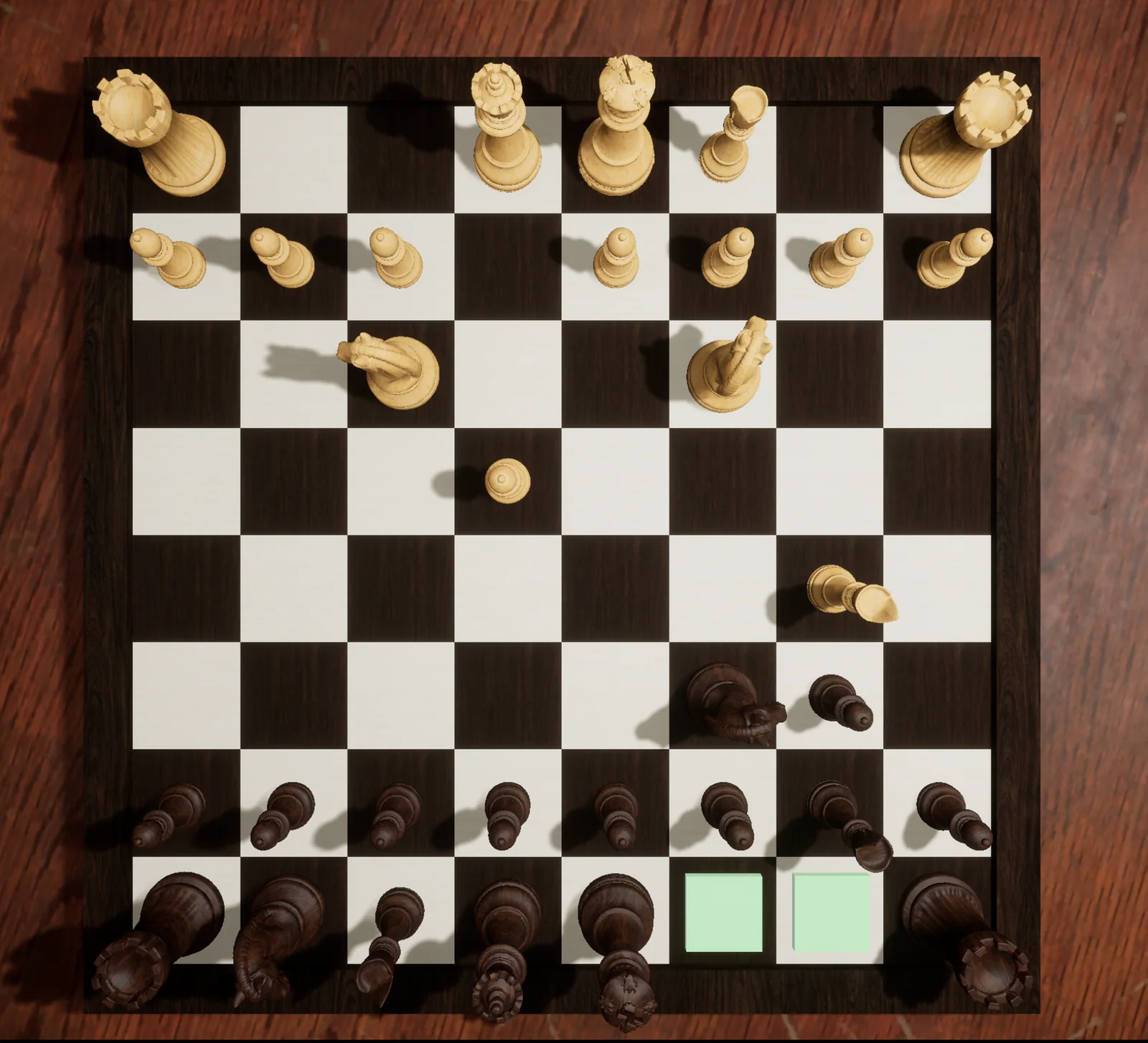
  • The king has not moved earlier in the match.
  • The rook used for that castle has not moved earlier in the match.
  • There are no pieces between the king and that rook.
  • The king is not currently on a square attacked by an enemy piece.
  • The king may not cross over or finish on an attacked square.
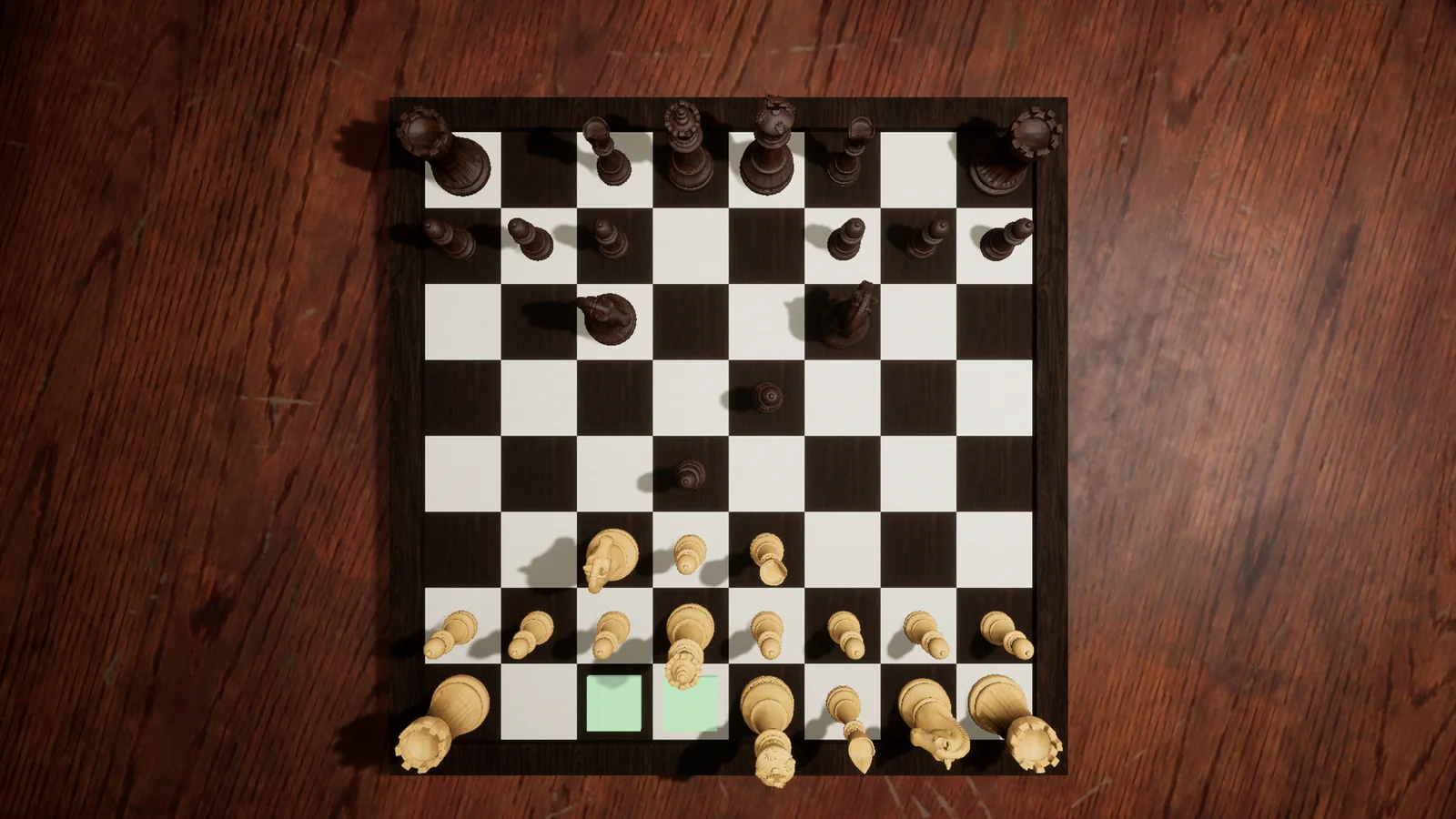
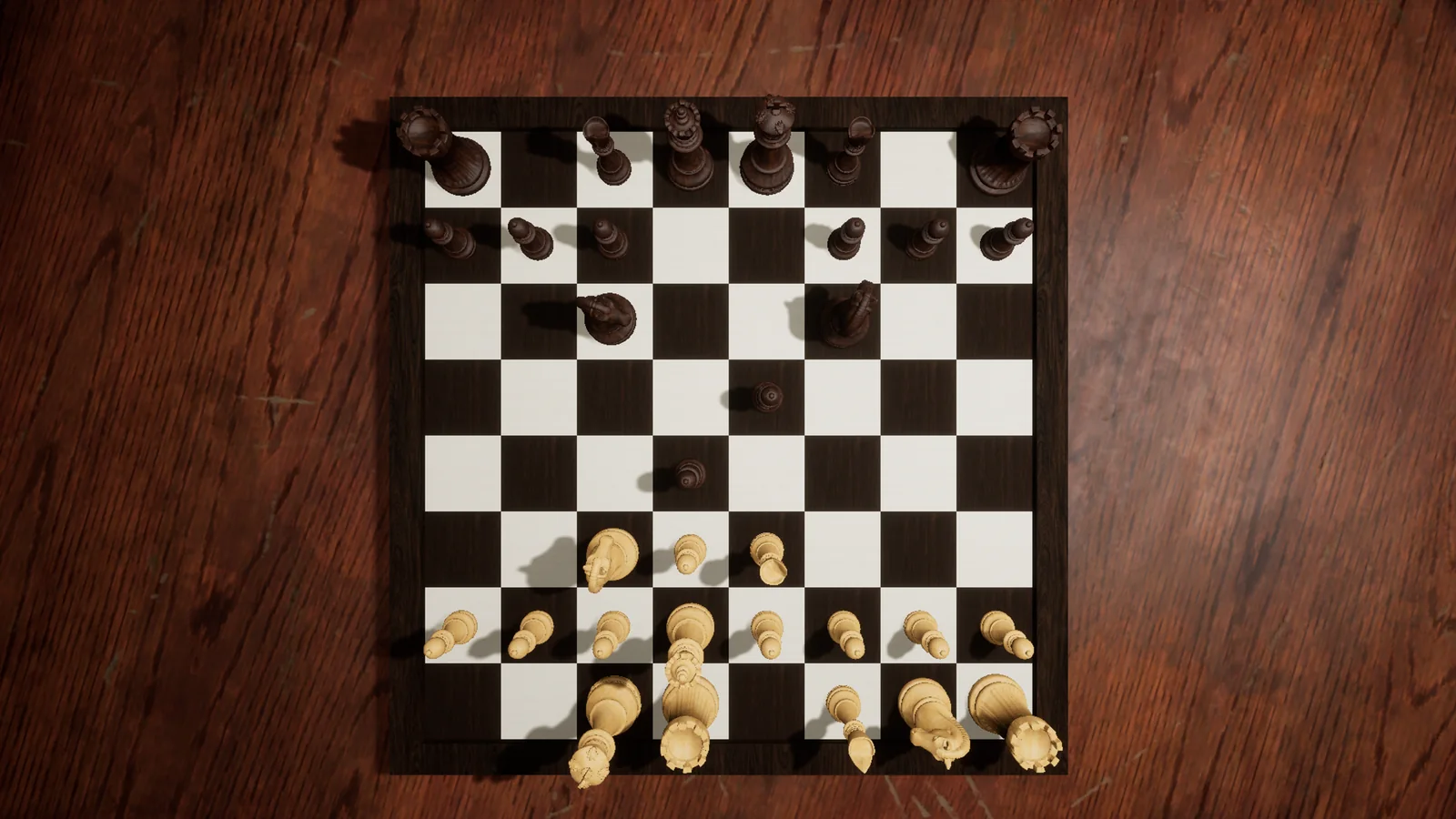
Kingside / short castling: the king moves two squares toward the kingside rook, and the rook moves to the square immediately next to the king on the other side.
Serene Chess kingside castling before the move
Kingside castling — available move.
Serene Chess kingside castling after the move
Kingside castling — resulting position.
Queenside / long castling: the king moves two squares toward the queenside rook, and that rook moves to the square immediately next to the king on the other side.
Serene Chess queenside castling before the move
Queenside castling — available move.
Serene Chess queenside castling after the move
Queenside castling — resulting position.
Special Move

En passant

En passant is a special pawn capture. It becomes available when an opposing pawn moves two squares forward from its starting position and finishes directly beside one of your pawns.

  • Your pawn captures diagonally into the square the opposing pawn passed over.
  • The opposing pawn is removed as though it had moved only one square.
  • The capture is available only on your immediately following move. If you make another move first, the en passant opportunity is lost.
Serene Chess Rule

Pawn promotion

When a pawn reaches the far end of the board, Serene Chess checks which of that player's own pieces have already been lost during the match.
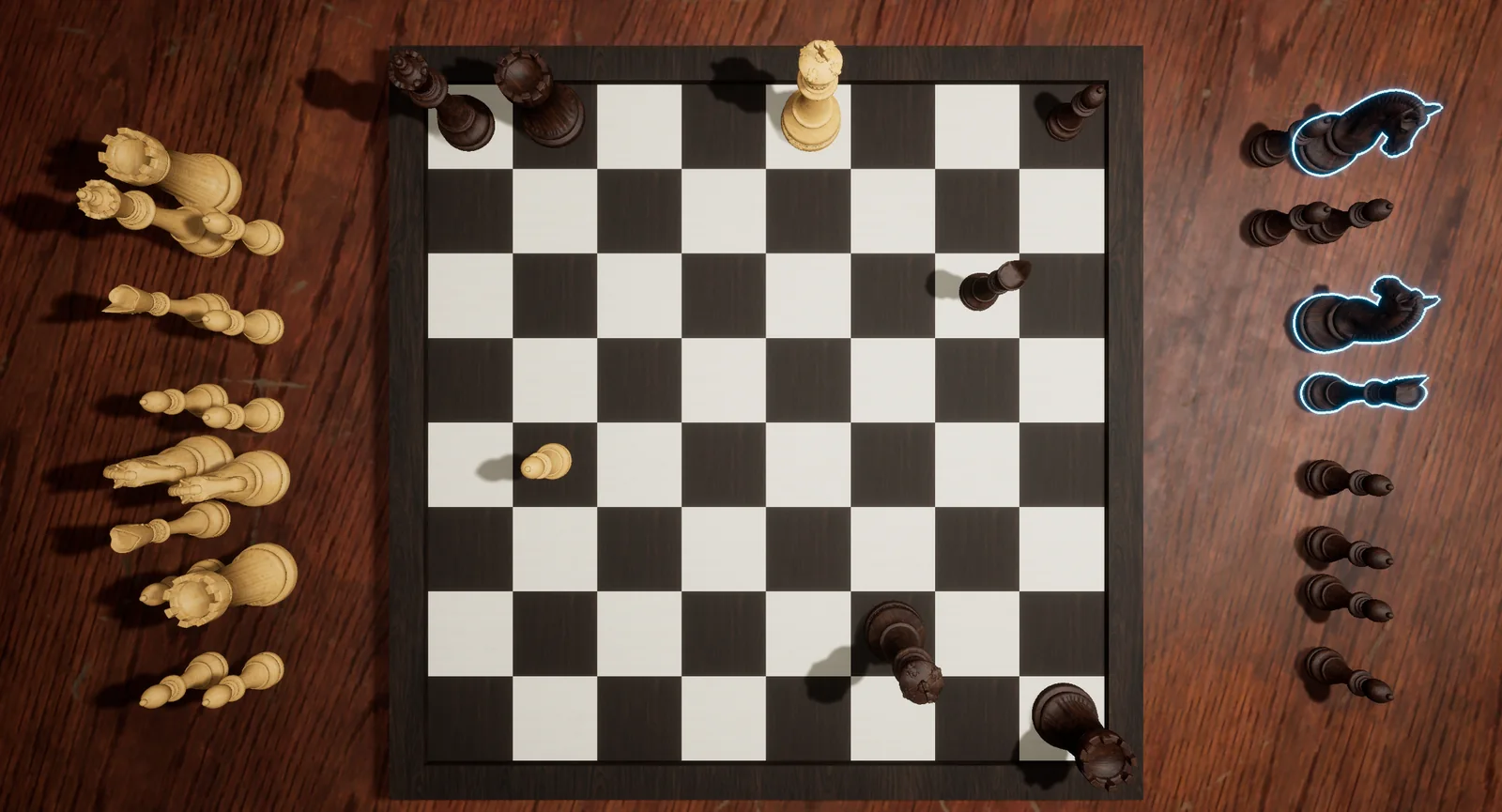
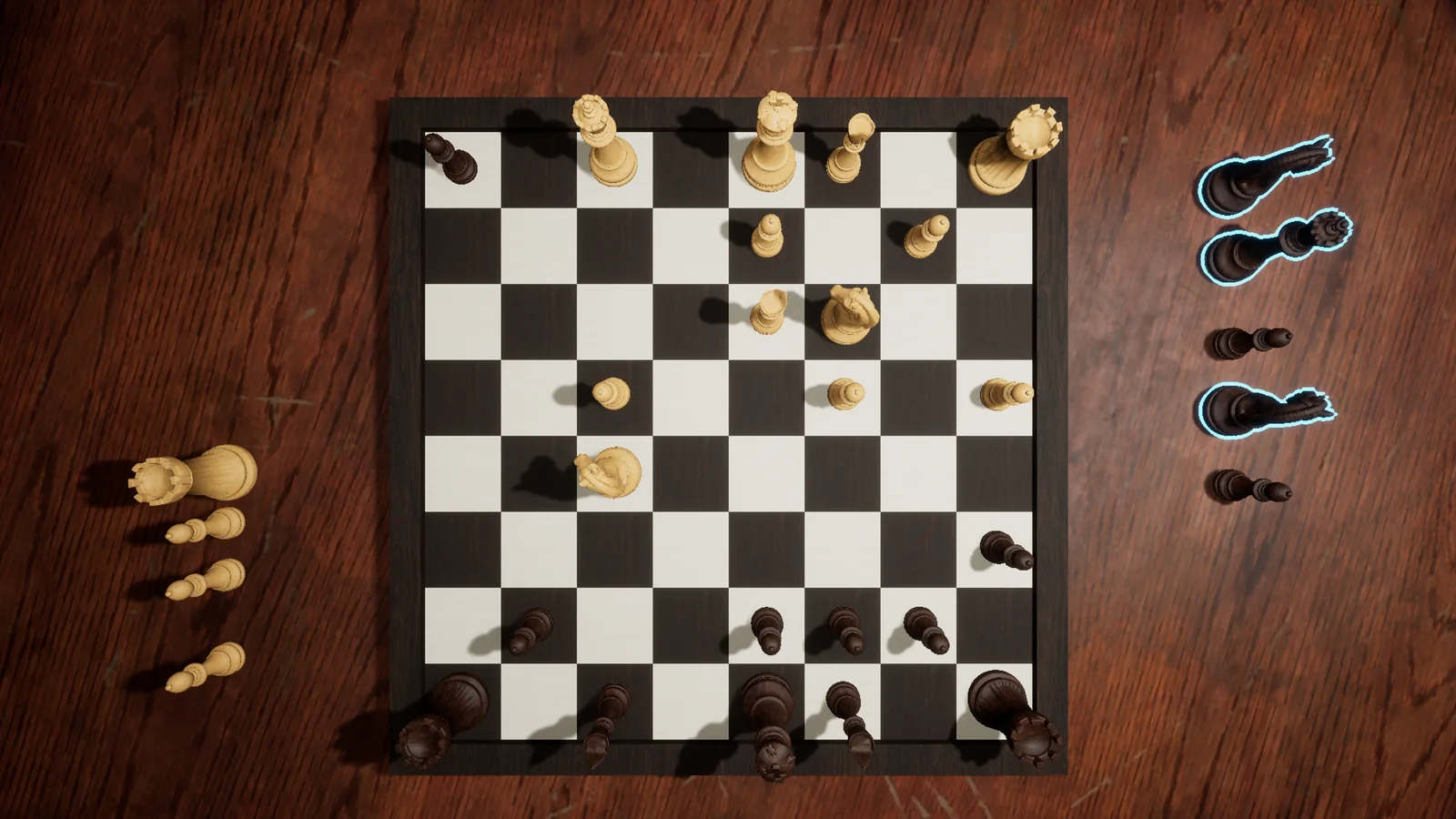
  • The pawn may be replaced only by one of your own pieces that has already been captured.
  • If one or more eligible lost pieces are available, the promotion choice becomes active.
  • If you have no eligible lost piece available, the promotion does not activate and there is no replacement-piece reward.
This is the key difference from standard chess promotion: Serene Chess does not give you an unrestricted new piece. Promotion is tied to the pieces you have actually lost.
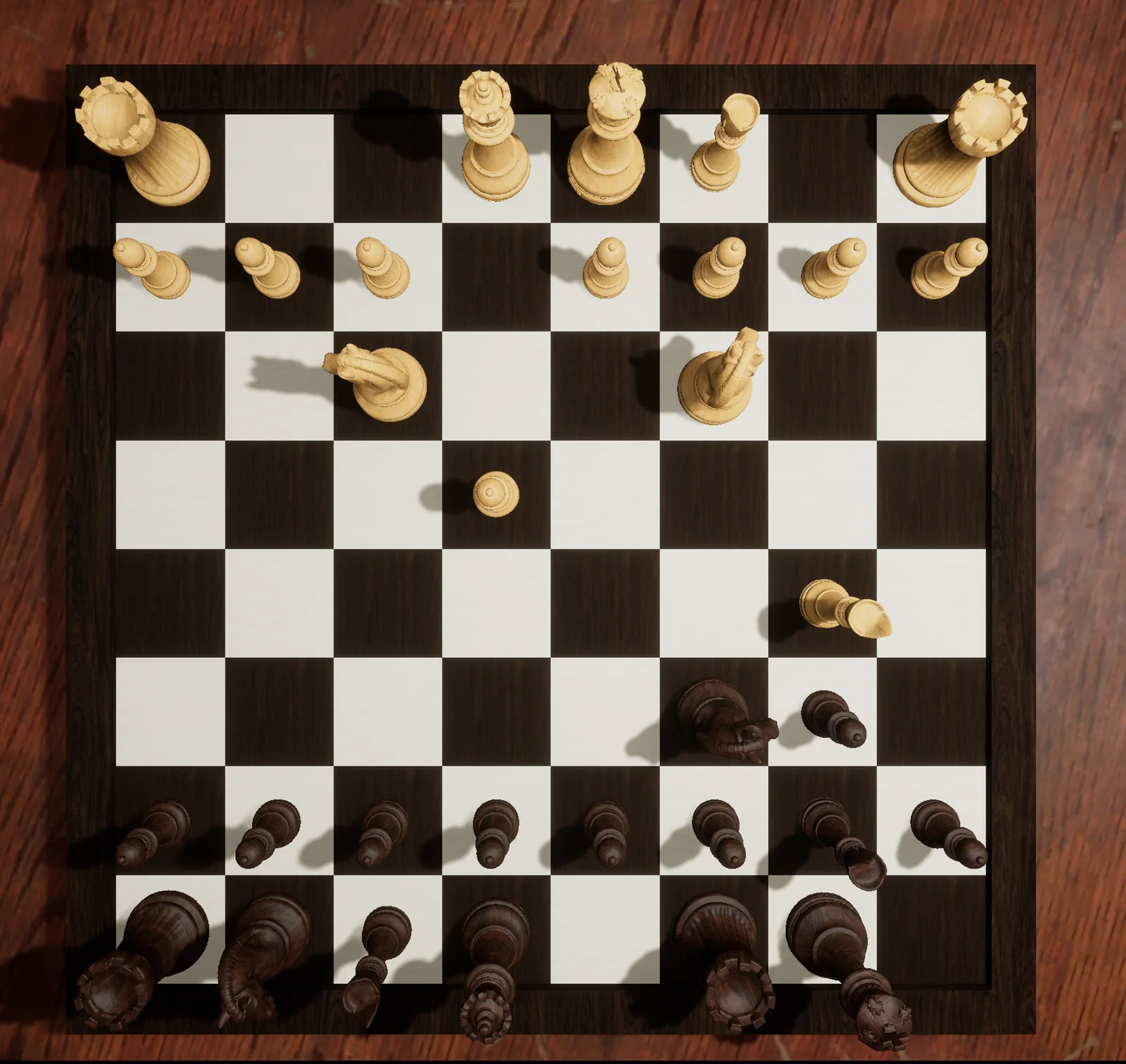
Serene Chess pawn promotion example with captured pieces beside the board
Pawn promotion example — captured pieces can determine the available choices.
Serene Chess board after a pawn promotion example
Pawn promotion example — resulting board position.
Think. Play. Unwind.

A quieter way to play.

Serene Chess is built around deliberate moves rather than time pressure. Calm background music plays during the game, helping the tabletop presentation feel more like a relaxed chess session than a race against the clock.